

Gallbladder Removal Recovery: 7 Things to Expect in Your First Week
Heading home after gallbladder removal? We’ve got you covered. Read on as we share seven things to expect during your first week, and we can help support your recovery.
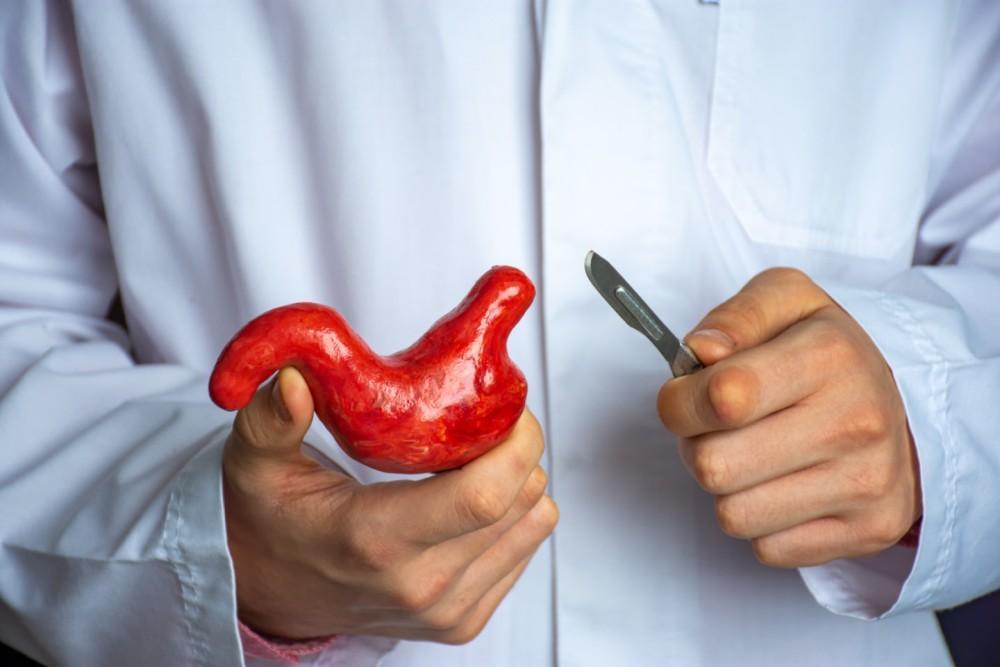
The mere thought of surgery can be intimidating. You might picture a large incision, a lengthy hospital stay, and weeks of recovery before you can get back to your normal routine. Still, minimally invasive surgical techniques have changed what’s possible.
Read on as Dr. Mikhail A. Botvinov and the Bergen Bariatric and Surgical Solutions P.C. team in Westwood, New Jersey, share what you need to know about advanced bariatric and minimally invasive surgery.
Traditional open surgery typically requires a larger incision, which allows your surgeon to access and see the affected area directly.
Minimally invasive surgery doesn’t require that one large incision. Instead of one large incision, laparoscopic surgery uses several very small incisions through which Dr. Botvinov inserts specialized instruments and a tiny camera.
The camera displays a magnified view of the surgical area on a monitor, allowing Dr. Botvinov to perform the procedure without a large abdominal opening. In fact, the camera can magnify the surgical area and give him a detailed, close-up view of structures that may be more difficult to see with the naked eye during traditional open surgery.
Some procedures can also be performed using robotic-assisted techniques, in which Dr. Botvinov controls specialized instruments from a console. The robotic system doesn’t perform surgery independently; it translates Dr. Botvinov’s movements into precise instrument movements.
Minimally invasive surgery may offer several advantages, including:
Several different surgeries can be done minimally invasively, including gallbladder surgery, appendectomy, and hernia repair.
If you’ve spent years trying to lose weight through diet, exercise, and other approaches, you may have discovered that losing weight and keeping it off are two very different challenges.
That’s partly because obesity is a complex, chronic disease influenced by genetics, hormones, metabolism, appetite regulation, medications, and environmental factors.
Bariatric surgery, also called metabolic and bariatric surgery, does more than simply make your stomach smaller. Depending on the procedure, surgery can:
These changes can support weight loss and improvements in obesity-related conditions such as Type 2 diabetes, high blood pressure, and obstructive sleep apnea.
During a sleeve gastrectomy, Dr. Botvinov removes about 80% of your stomach, leaving a smaller, tube-shaped stomach.
This limits how much food you can comfortably eat at one time and changes certain appetite-related hormonal signals.
Your intestines aren’t rerouted, so this procedure differs from gastric bypass, although lifelong nutritional monitoring remains important.
The adjustable gastric band is a reversible form of bariatric surgery. Instead of removing your stomach, Dr. Botvinov uses a surgical band to close off part of your stomach.
Roux-en-Y gastric bypass creates a small stomach pouch and connects it to a lower portion of your small intestine. This changes the route food takes through your digestive system, reduces stomach capacity, and alters digestive and metabolic signals.
The right bariatric procedure depends on your medical history, weight-related health conditions, individual risks, and long-term goals.
Bariatric surgery can be performed using minimally invasive techniques, including laparoscopic or robotic-assisted surgery.
Although bariatric surgery is an important part of our practice, Dr. Botvinov also uses minimally invasive techniques to treat a variety of abdominal and digestive conditions, including:
Not every condition requires surgery. Dr. Botvinov evaluates your symptoms and medical history to determine whether conservative treatment or a minimally invasive procedure is best.
It’s natural to wonder whether surgery is too aggressive for your condition, or whether you’ve waited too long to explore your options. The answer depends on your diagnosis and how your symptoms or health conditions are affecting your life.
For bariatric surgery, current professional guidelines recommend considering surgery only when your body mass index (BMI) is 40 or higher, or at 35 if you also have obesity-related conditions.
For other conditions, such as gallbladder issues, the decision depends on factors such as symptom severity, complication risks, diagnostic findings, and response to previous treatments.
To learn more about minimally invasive surgery, call our Westwood, New Jersey, office at 201-731-6919 or request an appointment online.


